Growth focused parenting helps families see behavior as information instead of proof that something is wrong. Children are still learning how to manage feelings, solve problems, and respect limits. Adults are still learning too. This perspective lowers shame without lowering expectations. A mistake becomes a moment to teach. A conflict becomes a chance to practice repair. The home still has rules. The child still has responsibility. What changes is the emotional meaning of discipline. Progress becomes more important than instant perfection.
Hard moments can make parents focus only on stopping behavior fast. Sometimes immediate safety requires quick action. Still, long-term learning needs a wider view. Ask what skill is missing. Ask what support would help next time. A thoughtful growth-focused family habits approach keeps the future in mind. The child needs practice, not just consequences. Parents need tools, not just frustration. This shift changes the tone of discipline. It also makes growth visible.
Children can learn to recognize patterns when adults guide them gently. Maybe hunger leads to meltdowns. Maybe transitions create conflict. Maybe screens make stopping harder. Naming patterns reduces blame. It helps children understand themselves. Keep the conversation simple. Ask what they noticed. Offer one idea for next time. Repeat the same process often. Self-awareness develops through many small conversations. These conversations become part of emotional maturity.
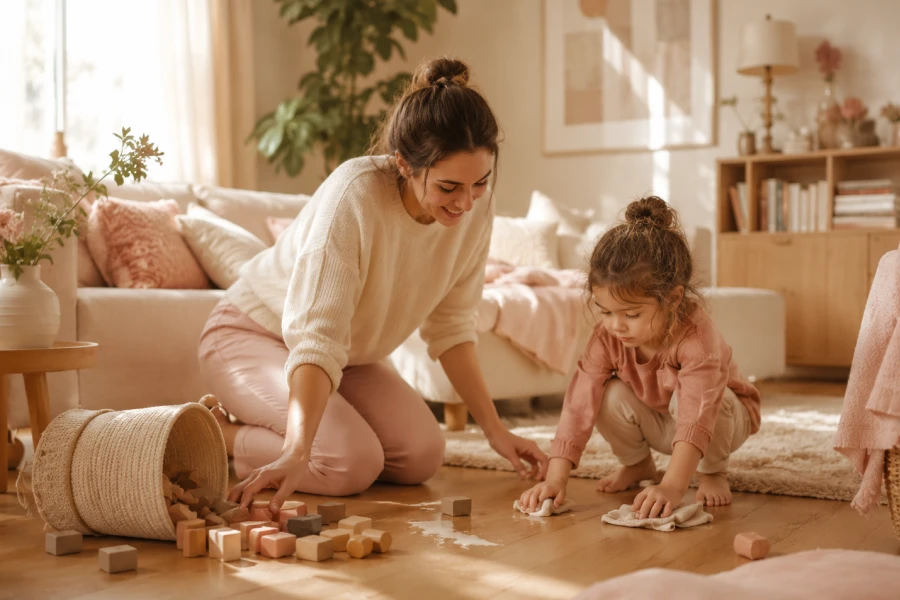
Consequences work best when they connect to learning. Random punishments can confuse children. Connected consequences make more sense. If a toy is thrown, the toy rests. If a mess is made, cleanup becomes part of repair. If words hurt someone, repair includes kindness. This approach keeps accountability practical. It also prevents consequences from becoming revenge. Children learn responsibility through action. They see how choices affect people and spaces.
Repair is one of the strongest family skills. It teaches children what to do after harm happens. Apologies can help, but repair should be meaningful. A child might rebuild, clean, replace, comfort, or practice better words. A supportive connected discipline plan gives repair a clear place. Parents can repair too. This matters. Children learn responsibility faster when adults model it. The family becomes stronger after conflict instead of weaker.
High expectations do not require harsh pressure. Children can be expected to learn, help, listen, and repair. They also need time to develop those abilities. Pressure often creates fear. Guidance creates practice. Keep expectations clear and repeat them often. Celebrate effort when it appears. Correct behavior without attacking character. This balance helps children stay engaged. They believe improvement is possible. That belief supports better choices over time.
Parents feel less defeated when growth becomes the measure. One difficult afternoon does not erase progress. One conflict does not define the relationship. A practical positive parenting tools approach reminds adults to look for patterns and practice. Steadiness becomes easier when mistakes have meaning. You respond instead of simply reacting. Your child learns from repeated guidance. Family life becomes less about control and more about skill building.




Leave a comment