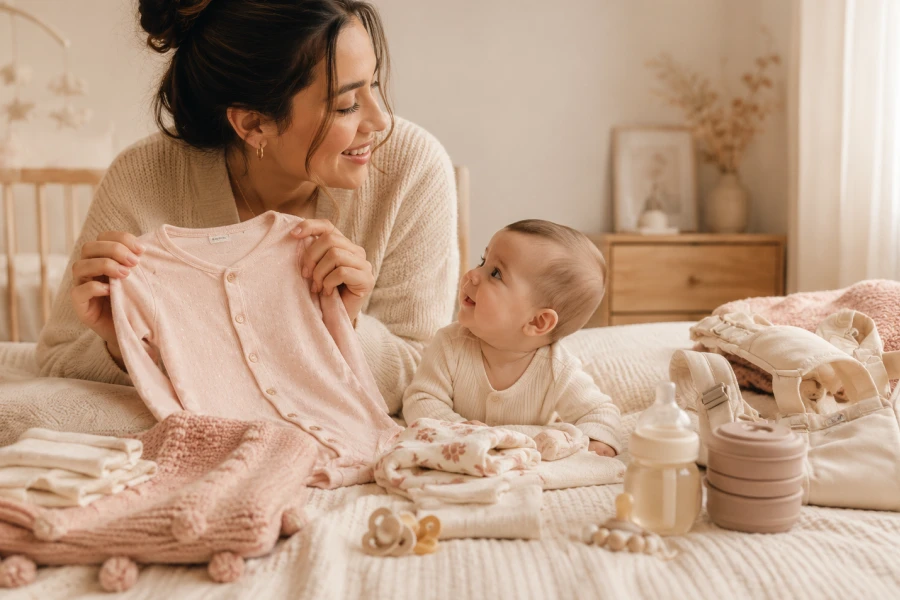
Many parents want to save money on baby essentials, but the advice often sounds cold or unrealistic. Real families need comfort, convenience, and safety. They also need breathing room in the budget. The smarter approach is not buying less of everything. It is buying better, later, and with clearer purpose. Some essentials deserve investment. Others can be borrowed, simplified, or skipped. New parents deserve practical choices, not guilt. A thoughtful plan makes spending feel calmer. Your baby benefits from steadiness more than excess.
Daily use is the simplest test for any baby purchase. If an item supports feeding, hygiene, sleep, travel, or safety, review it carefully. If it supports appearance alone, wait. Many products look useful before routines begin. Real use becomes clearer after a few weeks. A smart affordable newborn essentials strategy starts with observation. Notice what creates ease. Notice what stays untouched. That information helps every future purchase. Practical evidence beats marketing pressure.
Saving money should never mean ignoring safety. Certain products deserve extra care. Car seats, cribs, mattresses, and medical items require strong standards. These are not places for careless shortcuts. However, quality does not always mean the most expensive option. Read safety guidelines. Compare trusted models. Avoid features that add cost without real value. Buy from reliable sources. A balanced decision protects both your baby and your finances.
Staged buying prevents expensive guessing. You do not need every product before your baby arrives. Start with the first few weeks. Then add items as routines show real needs. This method reduces clutter. It also helps you understand preferences. Some babies dislike products that other families love. Some parents discover simpler solutions. A staged plan creates flexibility. It keeps your money available for needs that actually appear.
Waste often comes from buying too many versions of the same solution. One baby carrier becomes three. One sleep aid becomes a shelf of gadgets. One feeding problem creates a drawer full of experiments. Slow purchasing reduces that pattern. Borrow when possible. Test before committing. A careful baby expense strategy protects your home from product overload. It also makes cleanup easier. Less clutter can reduce stress. Your home feels more usable.
Parent communities can lower costs in practical and emotional ways. Local groups often share clothing, toys, books, and gear. Friends may lend items for short stages. Family members may prefer contributing to specific needs. These conversations can feel awkward at first. Still, many parents are happy to pass along useful things. Babies outgrow items quickly. Sharing keeps products moving. It also builds connection during a demanding season. Support is often closer than it seems.
Early baby spending can shape future family habits. When you learn to pause, compare, and prioritize, those skills continue. Toddler expenses become easier to manage. Birthday spending feels less reactive. Seasonal clothing decisions become calmer. A realistic sustainable parent budget grows with your household. You are not just surviving the newborn stage. You are building a family money culture. That culture can support years of confident decisions.



Leave a comment