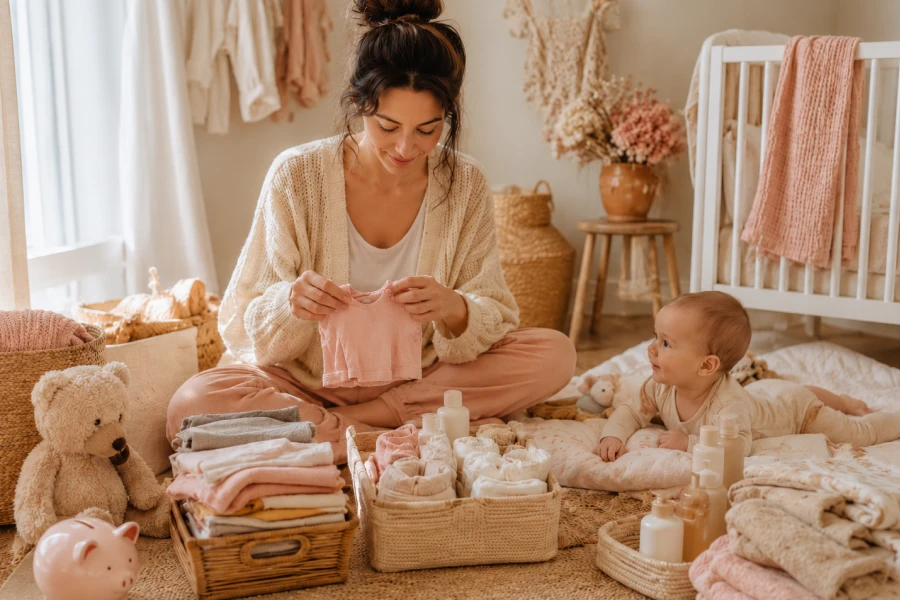
New parents often hear that babies are expensive, but reduce baby expenses does not mean removing comfort, safety, or joy. It means making clearer choices before small purchases become large patterns. Many families overspend because every product feels urgent. Most items promise relief during a tired season. Some are helpful, while others solve problems that never appear. A calmer budget begins with separating true needs from emotional pressure. You can still create a loving home with thoughtful spending. The goal is not deprivation. The goal is confidence. Parenthood feels lighter when money has a plan.
The first priority is understanding what your baby actually uses daily. Diapers, feeding supplies, safe sleep basics, and transportation needs matter most. Decorative extras can wait until routines become clearer. Many parents buy too early because uncertainty feels uncomfortable. A focused new parent budgeting plan helps remove that pressure. It turns vague worry into specific decisions. You see what belongs now. You see what can wait. This approach protects your wallet. It also protects your peace.
A useful baby budget should reflect your household, not someone else’s nursery. Start with recurring costs before one-time purchases. Add diapers, wipes, formula or feeding supplies, childcare, medical visits, and laundry needs. Then review bigger items separately. Some costs arrive monthly. Others appear in bursts. Tracking both types prevents surprises. A budget also reveals duplicate purchases. Families often own several versions of the same item. When every category has a purpose, spending becomes easier to control.
Timing changes almost everything in early parent spending. Buying everything before birth can create waste. Babies grow at different speeds. Preferences also change quickly. A product that looks essential online may become unused at home. Purchase in stages whenever possible. Keep a short list for the first month. Add items only after a real need appears. This keeps closets from filling with guesses. It also gives you room to learn your baby’s actual rhythm.
Duplicate spending happens quietly. One bottle brand fails, so another appears. One swaddle seems promising, so three more arrive. A stroller accessory looks useful, then stays packaged. These small decisions add up fast. A simple baby cost planning process slows that cycle. Try one option first. Wait before buying backups. Keep receipts organized. Ask experienced parents what they actually used. Practical patience saves money without creating stress.
Sustainable choices can support both your budget and your values. Borrowed gear, secondhand clothing, washable cloths, and local parent groups can reduce waste. Safety still comes first. Car seats, cribs, and medical items need careful review. Yet many baby products have short use windows. Gently used options often work beautifully. These decisions also make your home less crowded. You spend less on storage. You make fewer panic purchases. Small sustainable habits can become a long-term family advantage.
The best money-saving plan should feel flexible. Babies change quickly. Parents change too. A strict budget can fail when real life gets messy. A supportive plan leaves space for surprises. It also includes small comforts that truly help. The right sustainable family spending approach respects both emotions and numbers. You are not trying to win a financial contest. You are building steadiness. That steadiness gives your family more freedom.



Leave a comment